
We bridge the gap between your farm and federal agencies. From ELAP to NAD appeals, we ensure you receive every dollar you deserve.
//
We keep your application options open, ensure you receive what you're due, and guide you through the regulatory maze. If audited, we handle the process for you. You started farming and ranching to focus on your work, not government programs. We'll support you throughout and stand by our work.

USDA programs like ELAP, ERP, and LIP are vital but complex. We handle the entire claim lifecycle—from strategy to audit defense—lifting the paperwork burden so you can focus on your land while we maximize the funding you’ve earned.


Led by co-founders William and Kimberly Lott, we blend accounting expertise with firsthand ranching experience. Operating in 30+ states, we don’t just fill out forms; we fight denials and advocate at the policy level to protect your livelihood.
//
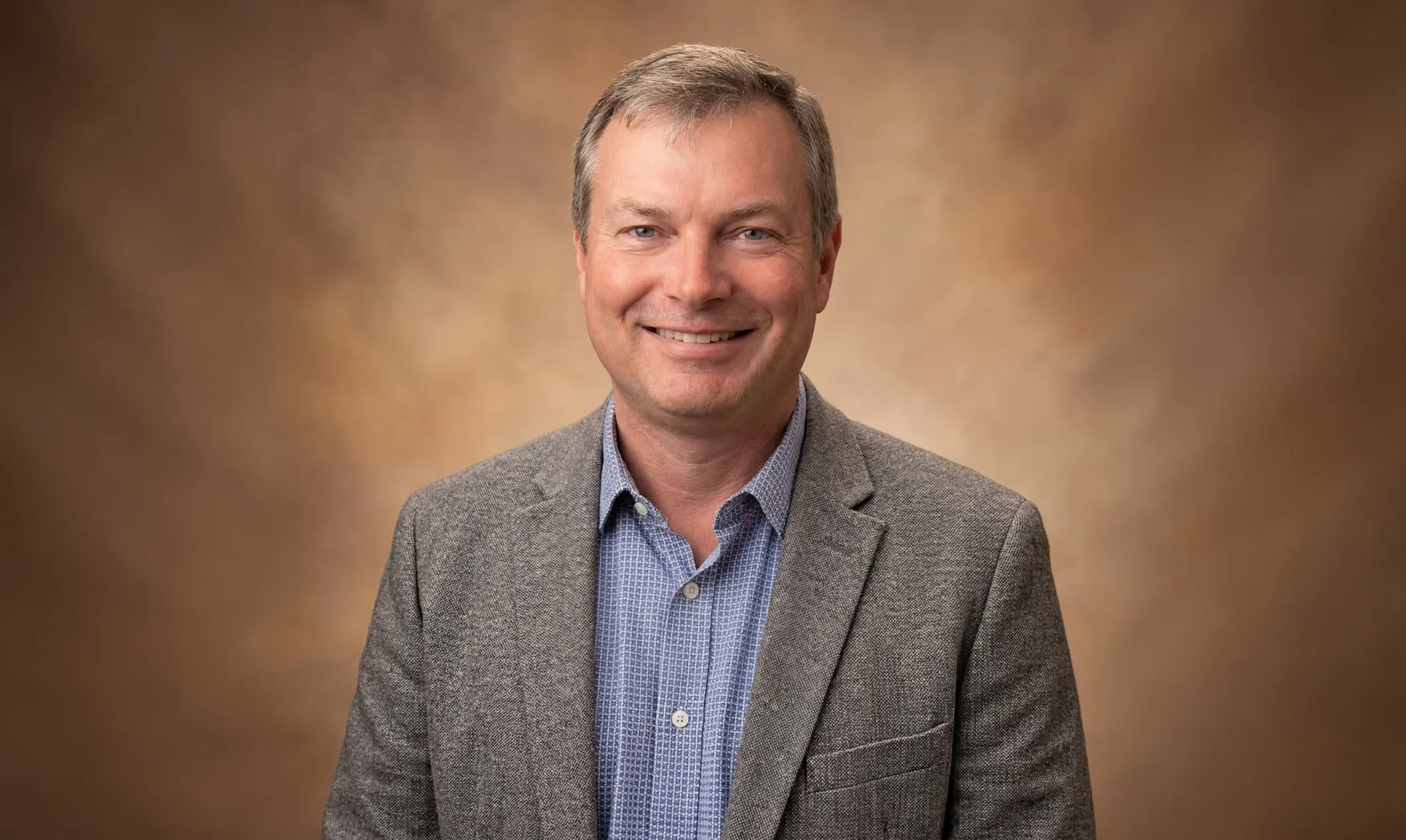
Juris Doctor
William David Lott, JD is the co-founder and CEO of Crop Disaster Recovery (CDR), a national firm representing farmers and beekeepers in over 30 states. A seventh-generation Floridian rancher with a Juris Doctor and a background in business, William combines legal expertise with firsthand agricultural experience.
He and his wife built their own operation using USDA programs, which inspired CDR's mission: bringing fairness to the farmer. William is a leading advocate in USDA disaster relief programs and is committed to helping producers navigate complex regulations and recover what they're owed.
//
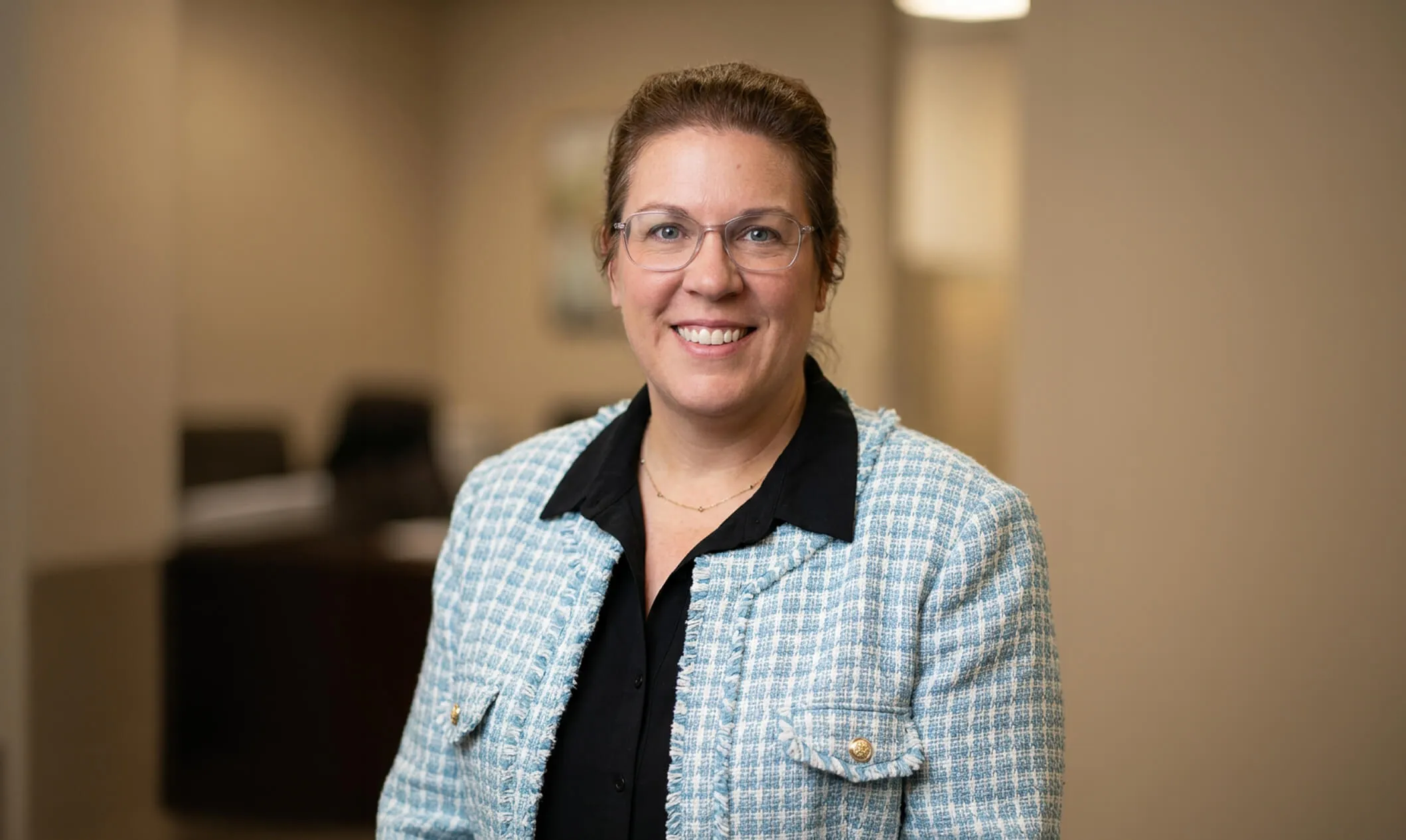
M.B.A. Accounting
Kimberly Lott, MBA, is the Co-Founder and Chief Operations Officer of Crop Disaster Recovery (CDR), a national firm representing farmers and beekeepers in over 30 states. With an MBA and background in accounting, Kimberly leads CDR’s strategy and operations, helping clients navigate complex USDA programs like ELAP, ERP, and LIP.
A rancher and ag advocate, she brings firsthand experience and deep USDA knowledge to her work. Kimberly is known for empowering producers with the tools and representation they need to secure funding, fight denials, and protect their livelihoods.